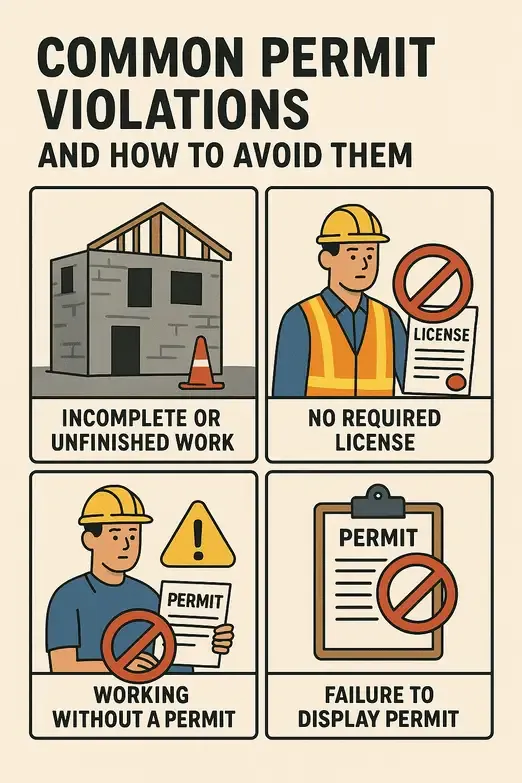
1. Operating Without a Required Permit
One of the most frequent violations is simply moving a load without the proper permit. This includes:
-
Oversize/overweight loads without an active permit
-
Operating beyond the scope of the permit
-
Using an expired permit
How to avoid it:
Always verify the load's dimensions and weight before dispatching, and double-check that the permit matches the exact route, date, and load specifications.
2. Exceeding Authorized Dimensions or Weight
A permit is valid only for the measurements listed. Carriers can be cited if:
-
Actual weight exceeds the permitted weight
-
Load height or width is greater than what the permit shows
-
Extra cargo is added after the permit is issued
How to avoid it:
Re-measure the load after loading, securement, and any adjustments. Make sure the dimensions match the permit exactly.
3. Traveling on Unauthorized Routes
Many NY routes have strict limitations—including NY parkways, tunnels, bridges, and NYC-specific corridors. Violations occur when:
-
Drivers deviate from the permitted route
-
GPS routing is used instead of permit instructions
-
Permit-required detours are not followed
How to avoid it:
Provide drivers a printed or digital copy of the approved route and ensure they use truck-approved navigation systems.
4. Failing to Display the Permit Properly
Some permits require physical display:
-
Not carrying a copy of the OS/OW permit
-
Not posting required signs, lights, or flags
-
Improper escort vehicle signage
How to avoid it:
Ensure drivers have all required documents and safety markings before departure.
5. Violating Travel Time Restrictions
New York enforces restrictions on:
-
Weekend and holiday travel
-
Night travel for oversize loads
-
Peak-hour travel in NYC
-
Weather-based suspensions
How to avoid it:
Review permit travel windows carefully and monitor weather alerts and official NYSDOT notices.
6. Missing or Improper Escort Vehicles
Escort violations may include:
-
Operating without a required escort
-
Using an improperly equipped escort vehicle
-
Drivers not trained or certified (NY requires certified escorts for certain loads)
How to avoid it:
Verify escort requirements listed on the permit and use only qualified escort companies or trained personnel.
7. Incorrect Axle Spacing or Tire Loading
Even when total weight is within limits, violations can occur if:
-
Axle weights exceed legal/permit limits
-
Axle spacing does not match the permitted configuration
-
Tires are not rated for the load carried
How to avoid it:
Weigh vehicles at certified scales and confirm spacing matches the permit's configuration.
8. Failing to Follow NYC-Specific Rules
New York City has its own regulations, often stricter than NYSDOT. Common issues include:
-
Traveling on restricted NYC truck routes
-
Ignoring special bridge or tunnel requirements
-
Lacking NYC oversize permits
How to avoid it:
When entering NYC, treat it as a separate jurisdiction and verify NYC DOT permit needs.
9. Inaccurate Information on Permit Applications
Providing incorrect details can invalidate the permit entirely. Errors include:
-
Wrong VIN
-
Wrong dimensions
-
Incorrect start/end points
-
Misreported commodity
How to avoid it:
Double-check all data before submitting the application. For large fleets, assign one trained staff member to handle permit tasks.
10. Ignoring Permit Expiration Times
Some permits are valid for:
-
A single trip
-
A specific date
-
Limited hours
Operating even minutes past expiration can lead to immediate penalties.
How to avoid it:
Use reminders, dispatch notes, or fleet management systems to track deadlines.
Final Tips to Stay Compliant
-
Train drivers on permit rules
-
Keep all documentation easily accessible
-
Use professional permit services when unsure
-
Monitor regulatory changes in NYSDOT and NYC DOT systems
-
Always measure, weigh, and verify before requesting permits